- Edgevanta Weekly
- Posts
- Taste The Soup
Taste The Soup
Your essential guide to dominating the civil construction world with the latest tech, market trends, and wisdom.

Tristan Wilson
March 20, 2026
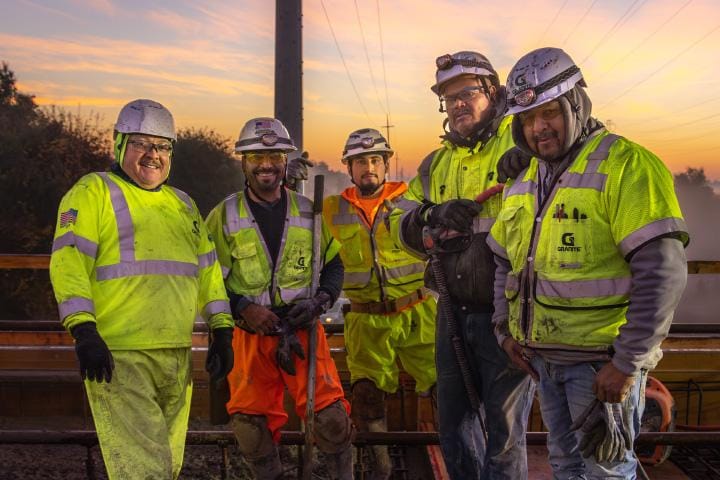
Ray Dalio has a mantra: "Taste the soup."
You can stare at 100 dashboards. You can review every KPI your team tracks. But if you want to know how the food actually tastes, you have to try it. The data will tell you a story. The soup will tell you the truth.
The same applies in construction. Especially when it comes to safety.
Every day, millions of people in our industry gather together each morning for a safety meeting. JSA, JHA, toolbox talk — whatever you call it in your company, it's the same thing: a plan for the day. What are we doing? Who is working on what? What are the hazards? What do I expect of you?
I love these meetings. I wish I still attended them. Because a morning safety meeting is one of the most powerful predictive indicators of crew safety, quality, and financial performance that exists. Show me a crew with a strong morning meeting and I'll show you a crew that's making money.
The Wallflower
When I was a field engineer just getting into the industry, I would sit in these meetings and observe. Rarely did I speak. I was too scared. Too scared they'd figure out I didn't know what I was talking about. I didn't want to "interfere." I told myself the experienced guys had it covered.
This was completely wrong.
Finally, our general superintendent pulled me aside and said, "Look man, you've got to speak up at the meetings. You're a wallflower. You've got to get engaged. You're a leader. Act like it."
That conversation changed how I showed up every morning. And it changed my career.
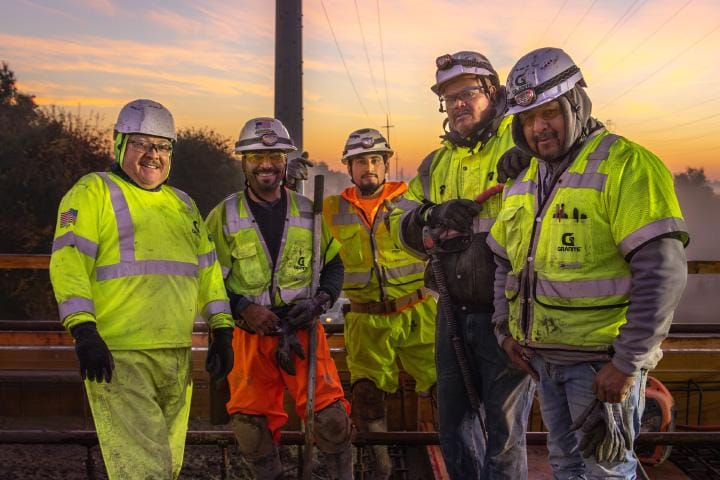
Photo Credit: Granite
The Case for Showing Up
If you're in management, I know your inbox is full. AI is taking over the world. You're in back-to-back meetings from 7 AM to 4 PM. I get it.
Make the time. Go to one crew meeting a week.
A morning safety meeting is a 15-minute window into the health of a crew. You can learn more in that window than in a month of reports. You'll feel the energy. You'll see who's engaged and who's checked out. You'll hear what's being communicated and what's being left unsaid. You'll taste the soup.
How to Audit a Crew Morning Meeting
1. Arrive Early The 10 minutes before the meeting is way more important than the meeting itself. Shake every hand. Catch up with people. Ask about their kids, their weekend, their fishing trip. Don't talk about work if you can help it. This is where trust gets built.
2. Stretch and Flex The crew should be moving their bodies to start the day. If they're not doing this, start now.
3. Scan the Room Are people paying attention? This is a no-phone zone. If guys are scrolling, that tells you something about the culture.
4. Rate the Engagement Most meetings are 95% field manager talking. This is not a good thing. The best meetings have crew members asking questions, flagging concerns, and contributing. When the laborer feels comfortable enough to say "Hey, I noticed the trench box wasn't set right yesterday," you've got a healthy crew. Oh, and if everyone cannot hear each other, the meeting is pointless.
5. This Is Not Just a Safety Meeting This is a "What the heck are we trying to get done today? How are we going to do it? What are the expectations? What are the risks? How are we handling them?" meeting.

Photo Credit: Allan Myers
What the Best Meetings Include
Retro on yesterday. How did it go? What worked? What didn't?
A shout out. One specific thing someone did well. Not "good job everybody." Something like "Marcus, the way you flagged that utility conflict before we started digging saved us a day."
The plan for today and the field manager's clear expectations for each crew member and the end result. “We’re planning to get 8 joints in and tie into the MH-102”.
A standard template, but not read off the paper. The worst meetings are when the foreman reads a laminated card like he's ordering at a drive-through. Follow a structure, but make it yours.
Humor. Jokes make people pay attention. The best field managers I ever worked with could make a crew laugh at 6:30 AM in January. That's a skill worth developing.
The Gut Check
Have safety and quality risks been clearly discussed and mitigated? Put another way, would I feel comfortable if my niece or nephew were on this crew? If the answer is no, fix that. Today.
Is it really clear what's expected of each crew member? Not vaguely. Specifically.
Do we have a plan in place when things change throughout the day? Because they will.
When You're the One Visiting
If you're a manager attending a crew meeting, you have to contribute. Don't just stand there with your arms crossed looking like an OSHA inspector. Here's what I would typically do:
Talk about the company. How are we performing? Share real numbers. People want to know if we're winning.
Talk about the job. Are we ahead, behind? Making money, losing money? Be honest. Crews can smell spin from 50 yards.
Talk about upcoming work. Nothing motivates a crew like knowing there's more work in the pipeline.
Open the floor for feedback. Especially when things aren't going well. If the job is struggling, talk about it. It's okay. Pretending everything is fine when the crew knows it isn't is how you lose people.
Tell a story. Something cool or inspirational you've read or heard about. This is the most important part. People remember stories long after they forget bullet points. I used to share things from books, podcasts, or even something a friend or co-worker said that made me think differently. It humanizes you.
Before You Leave
Pull the field manager aside and give them feedback. One-on-one. What went well, what could improve. Say it while the meeting is still fresh.
Why It Matters
If you've ever worked on a crew, there are few better feelings than a kickass morning meeting where you got to catch up, heard what's happening, knew the plan, got clarity into what is expected of me, and felt that the company has your back.
Your physical presence is 90% of the battle. You may as well make it count while you're there.
Stop reading the dashboards. Go taste the soup.
In Case You Missed It:
How would you describe today's newsletter?Leave a rating to help us improve the newsletter. |
Enjoyed this newsletter? Forward it to a friend and have them sign up here!

Tristan Wilson is the CEO and Founder of Edgevanta. We make AI agents for civil estimating. He is a 4th Generation Contractor, construction enthusiast, ultra runner, and bidding nerd. He worked his way up the ladder at Allan Myers in the Mid-Atlantic and his family’s former business Barriere Construction before starting Edgevanta in Nashville, where the company is based. Reach out to him at [email protected]