- Edgevanta Weekly
- Posts
- The Meeting We're Never Too Busy For (That Saves You Later)
The Meeting We're Never Too Busy For (That Saves You Later)
Your essential guide to dominating the civil construction world with the latest tech, market trends, and wisdom.

Tristan Wilson
December 19, 2025
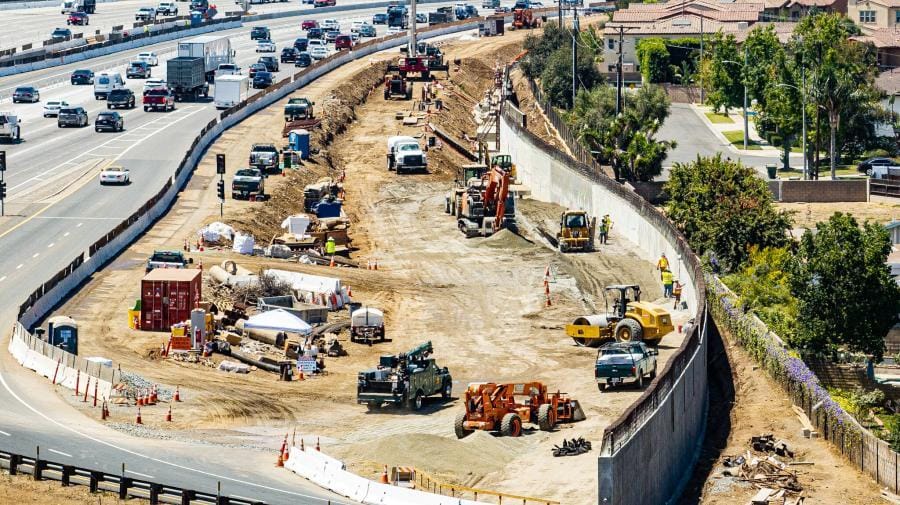
You just won a $2.3 million highway job. Bid went in yesterday, award letter came this morning, owner wants you mobilized in three weeks.
What happens next at most contractors?
The superintendent gets a call: "Congrats, you got the US 90 job. Plans are in the SharePoint. We start in three weeks."
Then four months later, you're bleeding money because:
Field crew dug the patching 2" deeper than budgeted (there goes your 10% yield)
Nobody told the paving foreman about the ride spec, so you're grinding and repaving
Subcontractor prices don't match what you bid because you never confirmed scope
You're fighting with the inspector monthly over quantities because nobody set up tracking on Day 1
Equipment is sitting idle because no one coordinated the sequence
Every single one of these problems gets solved in one meeting that takes two hours.
It's called an Internal Preconstruction Meeting. And if you're not doing them on every job - big or small, public or private, site work or paving or concrete - you're gambling with your margin.
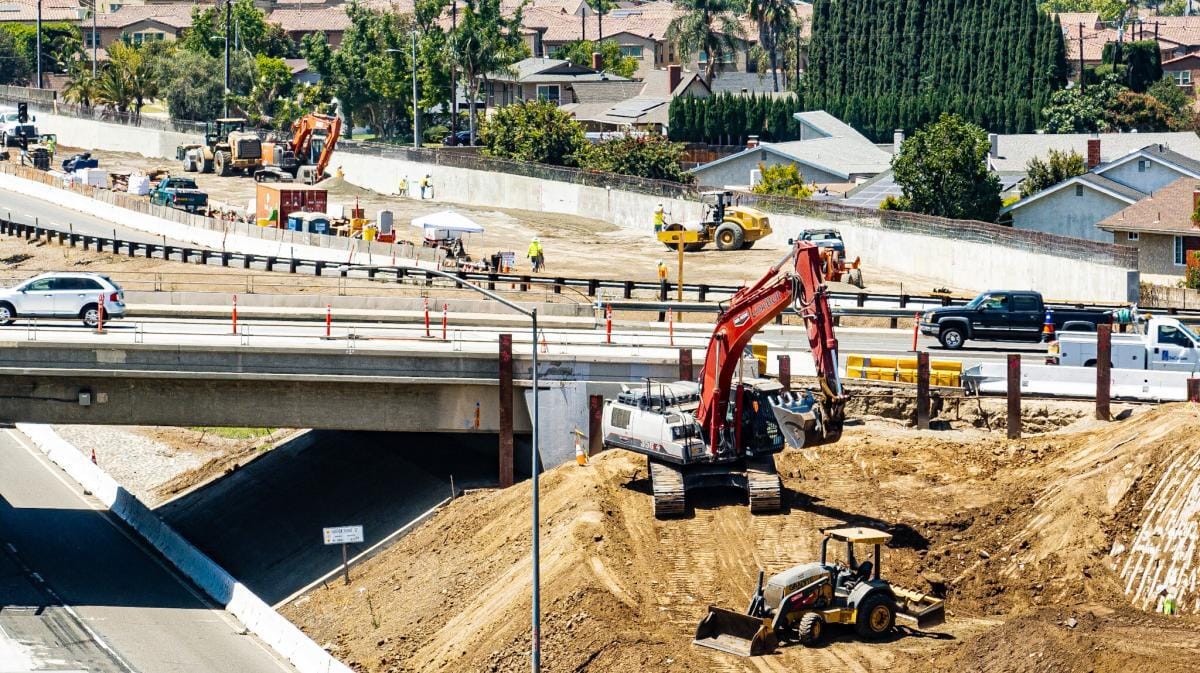
Photo Credit: Granite
What Most Contractors Do Instead
They wing it. We’re too busy.
The PM emails the plans to the superintendent. Maybe there's a quick phone call. "Any questions?" "Nope, we got it."
Then mobilization day arrives and you're making up the strategy in real-time. Figuring out crew sizes on the fly. Discovering scope gaps after you've already started. Realizing nobody actually read the special provisions about lane closure restrictions.
You spend the next six months putting out fires that could have been prevented in a single meeting before the iron even hit the ground.
The Internal Precon Changes Everything
Here's what it is: Before mobilization, your core project team sits down for 2-3 hours (sometimes longer depending upon complexity) and walks through every single detail of how you're going to build the job. Then you go ride the job together. Then you do the same process on a smaller scale before major work operations. It’s all totally worth it!
Not just the PM and superintendent. Everyone who touches the work:
Project Manager
Field Engineer
General Superintendent
Project Superintendent
Lead Foreman (if you know who it is)
Estimator who bid it
Quality/Safety lead
You're in a conference room with:
The complete bid file and estimate
Plans, specs, and all addendums
Clarifications/T&C’s for private jobs
Every subcontractor and material supplier quote
Production assumptions from the estimate
The schedule
The bid strategy and any money moves you made
And you go through it. Line by line.
What You Actually Cover
1. The Team & Roles
Who owns what? Who's the decision maker when problems arise? Who calls the owner? Who manages subs?
Don't assume everyone knows. Say it out loud. Write it down.
2. Safety Expectations
Not generic safety talk. Specific risks on this job:
Overhead utilities that aren't on the plans
Work zone traffic at 70 MPH
Wheel chock policy for equipment
Backing protocols with trucks
Overnight traffic control
3. The Money
This is where the estimator earns their keep. Walk through the budget:
"Patching 18" Thick - 3,513 SY. We have 9 days with the prep crew averaging 390 SY per day, which is 386 tons of asphalt per day. We have 3 triaxles budgeted for mix at $5.82/ton haul. We have 8% yield loss built in - anything beyond that comes out of profit."
The field needs to understand: We bid this assuming X production with Y crew size. Every decision they make needs to support those numbers. Be open to pushback and creative ideas. That’s natural and a good thing.
4. Quantity Tracking
How will you track what you put in place? Who reconciles with the inspector daily? When are billings due?
Set up the system before Day 1. Don't figure it out in Week 3 when you're already behind.
5. Subcontractor Coordination
Who's doing what? When do they need to mobilize? What did we commit to them in the bid?
Review every sub quote. Confirm scope. Confirm pricing. Confirm schedule. Set up precons with each major sub.
The drainage sub you bid might have assumed 8 weeks of work spread out. If you need him there in Week 2 for three days straight, tell him now - not the day before.
6. The Unbalances
Money moves you made in the bid. Items you came out of because quantities were wrong. Items you loaded up because you're confident they'll overrun.
"Drives and Turnouts - We bid this at $1.00 because their quantity was high. All median crossovers need to be caught under mainline paving. Any outside driveways get done with shoulders. We do NOT have money to come back separately."
If the field doesn't know this, they'll pave drives separately and wonder why the job is losing money.
7. Quality Standards
Specific tolerances. Ride specs. Joint requirements. Testing protocols.
"Smooth patching = smooth wearing. String lines are required. No ant piles. Run electronics. Review paving plan the day before. Any mix issues get reported to PM immediately - don't blame the plant until we've ruled out field operations."
8. Housekeeping Expectations
Clean laydown yard daily. String picked up every day. Equipment parked tight. No trash in work areas.
This isn't optional. This is part of the standard.
9. Schedule & Milestones
210 working days. Key milestones. Coordination points with other trades. Lane closure windows.
Everyone needs to see the same finish line.
10. Owner Relationships
Who's the PE? Who's the inspector? What's their reputation?
"This engineer from this agency. Great owner and group to work for. Best thing we can do is PERFORM to continue developing the relationship."
Set the tone for how you'll interact with them.
10. TEAM Goals
How do we want to represent ourselves on this project?
If we knew we couldn’t fail, what would we aspire to achieve?
11. Ownership & Follow Up
The What, Who, and When needed to make this plan a reality - Only 1 person can own something and nothing happens without a deadline.
Why This Actually Matters
You just spent three weeks building that estimate. You made strategic decisions about production rates, crew sizes, equipment needs, subcontractor scope, where to move money.
All that intelligence lives in the estimator's head and the bid file.
The internal precon is how you download that intelligence into the people who will actually build the work.
Without it, you're asking your field team to execute a strategy they don't know exists.
Be open to new and better ideas on how to build the job, especially from field leaders. But be clear on expectations.
The ROI Is Huge
Two hours in a conference room plus a site drive/walkthrough prevents:
Yield overruns that kill margins
Rework from missed quality specs
Schedule delays from poor coordination
Payment disputes from bad quantity tracking
Safety incidents from unclear expectations
Subcontractor conflicts from scope confusion
Every contractor I know who runs internal precons on every job - even the $300K parking lots - will tell you the same thing: "It's the cheapest insurance policy you can buy."
The Real Benefit Nobody Talks About
Here's what actually happens in that room:
The estimator says: "We bid 390 SY per day on the patching."
The superintendent says: "That's aggressive. What crew size?"
The estimator says: "Track hoe and two rock saws."
The superintendent says: "We can hit that if we stage the saws ahead and have material ready. But if we're waiting on trucks, we won't."
That conversation just prevented three months of the super struggling to hit production while the PM wonders why costs are over budget.
When everyone sits in the same room and talks through how you're actually going to build it, the plan gets better. You catch assumptions. You identify risks. You align on reality.
Start Now
Jobs kicking off in January and February? Schedule the internal precon now.
Get your core team in a room. Walk through the bid. Set expectations. Assign ownership to everything. And then take a ride.
An ounce of prevention is worth a pound of cure.
They won't know what you want unless you tell them. Clear expectations up front beat assumed understanding every single time.
The meeting takes two hours. The cost of skipping it is six months of chaos.
Reply "KICKOFF" to this email and I'll send you a sample Internal Precon Meeting checklist and agenda template to run these. Thanks for reading this week!
In Case You Missed It:
How would you describe today's newsletter?Leave a rating to help us improve the newsletter. |
Enjoyed this newsletter? Forward it to a friend and have them sign up here!

Tristan Wilson is the CEO and Founder of Edgevanta. We make AI agents for civil estimating. He is a 4th Generation Contractor, construction enthusiast, ultra runner, and bidding nerd. He worked his way up the ladder at Allan Myers in the Mid-Atlantic and his family’s former business Barriere Construction before starting Edgevanta in Nashville, where the company is based. Reach out to him at [email protected]